
-
Welcome to Multitool.org
The place for reviews & discussion on Multi Tools, Swiss Army Knives, Outdoor Gear, EDC and more for over TEN years. -
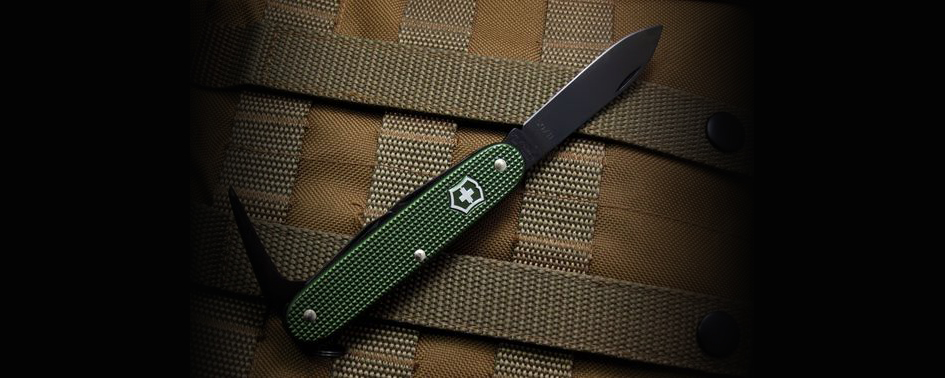
Are you into Swiss Army Knives?
Learn & discuss tools from both Swiss Army manufacturers: Victorinox & Wenger! Read More -
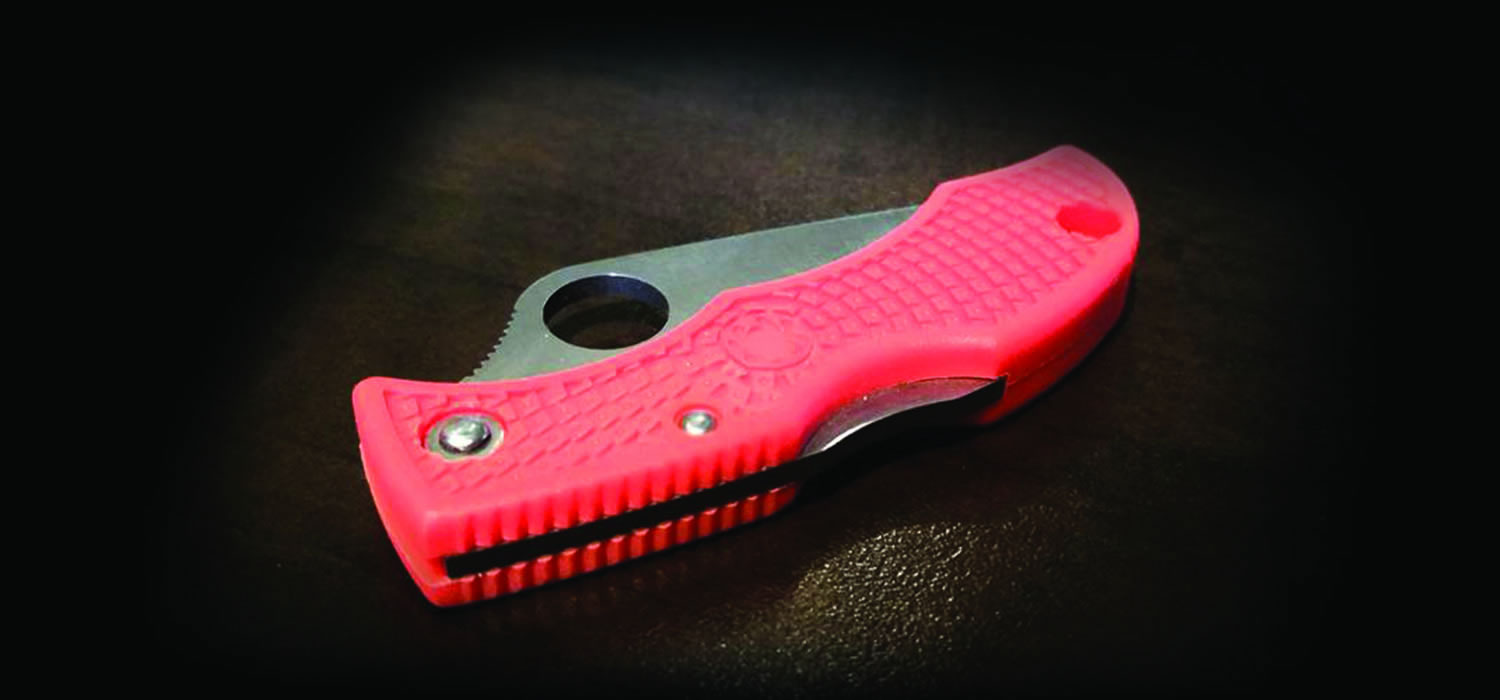
Good things can come in small packages.
What do you EDC? Read More
- 1
- 2
- 3

Displaying items by tag: Kansept
Kansept Loki Revisited
Revisiting the Kansept Loki makes sense now that Kansept finally addressed the biggest issue people had with it. They didn’t overhaul the design or rethink the whole package. They focused on the problem that held the original back: the opening method. Sometimes that’s all a knife needs to get a second chance. When a design already has a lot going for it, fixing the weak link can be enough to bring it back into rotation and make people pay attention again.
Coming back to the Loki feels less like a quick update and more like spending proper time with a design that invites a closer look. It’s a compact modern folder with a strong personality and, after carrying it again, it became clear that this knife either clicks as a whole or it doesn’t. There’s no middle ground because every detail matters here.

Kansept Pretatout
Behind the Pretatout is Jonathan, a designer who spent years working with K-9 units in the French army before turning his attention to knives. Rather than coming from a traditional knife-making background, his designs are rooted in real-world use, where reliability, strength, and ergonomics are not marketing buzzwords but daily requirements. That mindset led to the creation of Kmaxrom Design, with a clear philosophy centered on tools that feel powerful, durable, and comfortable in hand. Fittingly, the name Pretatout translates to “ready for everything,” and as Kmaxrom’s first flipper, it blends modern deployment with classic thumb studs, aiming to be a capable, no-nonsense EDC with a bit of flair.
Kansept has been producing absolute bangers lately, one fantastic release after another. I decided to reach back into the company’s catalog and try one of their older designs to see how it compares. The brand has been doing a lot in terms of tolerances and materials, and I wanted to see how a knife from when the company was still relatively young stacks up against the flood of models coming out today.

Kansept Scavenger
EDC, or everyday carry, has become a bit of a buzzword lately, and I get why it can feel confusing. At its core, it’s simply the items you carry with you every day. That can be as basic as a wallet and keys, or it can include things like a pocket knife, flashlight, or multitool. Somewhere along the way, EDC turned into rotating collections and themed loadouts, which kind of takes away from the original idea. Still, I’ve noticed things other people carry that genuinely make sense, and a pen is one of them.

Kansept Kitpu
Jonathan Styles comes from Newfoundland, and you can tell right away that his work is shaped by the place he calls home. He’s spent his life outdoors—hunting, fishing, hiking, exploring—and that connection with nature shows up in the way he approaches design. He’s always been an artist too, dabbling in everything from painting to woodworking to carving, so knife making wasn’t really a leap for him. It feels like a natural extension of who he already is. His motto is “functional art,” and once you get the Kitpu in hand, that line makes perfect sense.
The Kitpu takes its name from the Mi’kmaq word for eagle, which is fitting for a knife that leans heavily into slim, airy lines and a sleek pocket presence. It’s meant to disappear in the pocket with its slim titanium frame and deep carry clip, and it nails that role right out of the gate. Before I even get into performance, this knife hits that sweet spot I’m always drawn to—something that performs well but also looks the part. Some knives are rugged and ready for work, and some are gentleman’s knives that bring a little polish to your day. The Kitpu clearly lands in that second category. It’s about the size of a trapper and has those clean, classy lines that make you want to carry it even if you don’t need to.

Kansept Orlok
I feel like I’ve been in this industry long enough that things are starting to blur together. Every now and then something still makes me pause and go “okay, that’s cool,” but there’s also this growing feeling of déjà vu. Maybe it’s parallel design, maybe it’s trends, maybe it’s just the nature of a crowded market. Designers working miles apart still end up creating pieces that look like cousins. It happens. And honestly, it’s not always a bad thing.

Kansept Hazard
I’ve been into knives for a long time, and there are moments in this hobby where it feels like innovation has slowed to a crawl. You see familiar patterns over and over: same steels, same materials, same silhouettes, just shuffled around. Yet every now and then a design lands on my desk that makes me pause, smile, and realize there are still new ideas left to explore. The last couple of years especially have reminded me that there are some brilliant minds out there who refuse to let folding knives get stale.
Steven Dunnuck is one of those minds. He’s a mechanic by trade, a builder and tinkerer who loves pushing limits, and you can see that attitude in his work. He has that adrenaline-chasing, “let’s see what happens if…” kind of imagination that feels more hot rod garage than design studio. And when someone like that decides to rethink a lock, you end up with something that doesn’t just look different — it behaves different.

Kansept Nahual
Kansept has been on fire for 2025, bringing a lot of amazing designs to the market. This time around they teamed up with Javier García, a box truck driver with a deep fascination for EDC gear and the EDC community. His passion for everyday carry led him to design his own knives, and he’s incredibly grateful for the opportunity to turn that passion into reality. Take that enthusiasm, combine it with Kansept’s premium materials and attention to detail, and you’ve got a winning combination.
The result of this collaboration is the Nahual, a knife designed to be “aggressive yet non-aggressive” while maintaining excellent functionality for most EDC tasks. The ergonomics come from a neutral handle, forward choil, and subtle harpoon spine that allows a comfortable choke-up. The modified sheepsfoot blade might look tame, but it’s one of the most versatile profiles you can have in an EDC knife. It’s got all the hallmarks of a great design, so let’s take a closer look and see how it performs.

Kansept Kosame
The Kosame, which translates to “light rain” in Japanese, is a knife designed with symbolism at its core. The maker describes it as a blend of elegance and power, reflecting how something as soft as rainfall can, over time, erode mountains. The handle’s curves and droplet cutouts are meant to represent the calm and beauty of rain, while the blade’s straight, sharp lines highlight the more destructive force of nature. It’s a neat concept and a good story, one I appreciate because it ties into the Japanese-inspired aesthetic. That said, I can’t help but see the design in another light—it reminds me more of science fiction, even bordering on the alien. The jimping and spine details echo the look of a xenomorph’s back, which makes me like it even more. Maybe that’s just the nerd in me talking, but either way it gives the Kosame a unique visual identity.

Kansept Raven
Ravens have always carried an air of mystery and intelligence. In mythology and folklore, they’re often seen as messengers or guardians, tied to wisdom, transformation, and adaptability. Outside of stories, they’re just as fascinating, known for their problem-solving skills, use of tools, and ability to thrive in nearly any environment. It’s easy to see why Kansept chose the name for this design. The Raven takes inspiration from the lines of a raven’s head and beak, blending sleek elegance with a sense of purpose. With that foundation in mind, let’s take a closer look at what Kansept has created with the Raven.

Kansept Thunderhead
Here in the South, folks say they can smell rain coming. That earthy, charged scent is called petrichor—caused by ozone, plant oils, and soil bacteria getting kicked up just before the skies open. I’ve lived here long enough that you’d think I’d have picked up that trick, but maybe being only half Southern is to blame. I didn’t catch the storm building on the horizon this time either—Kansept’s Thunderhead blew in fast, and it hit hard.

Why not join us over on the Multitool.org Forum where our community can help you find what you're looking for!
Join the discussion now!
What kind of people would write collect and review multitools? Quite simple really- we are designers and do-ers, outdoors types and indoor types, mechanics, doctors, problem solvers and problem makers. As such, we have, as a world spanning community, put every type, size and version of multitool, multifunction knife, pocket knife and all related products to every test we could manage in as many places and environments as there are.