
-
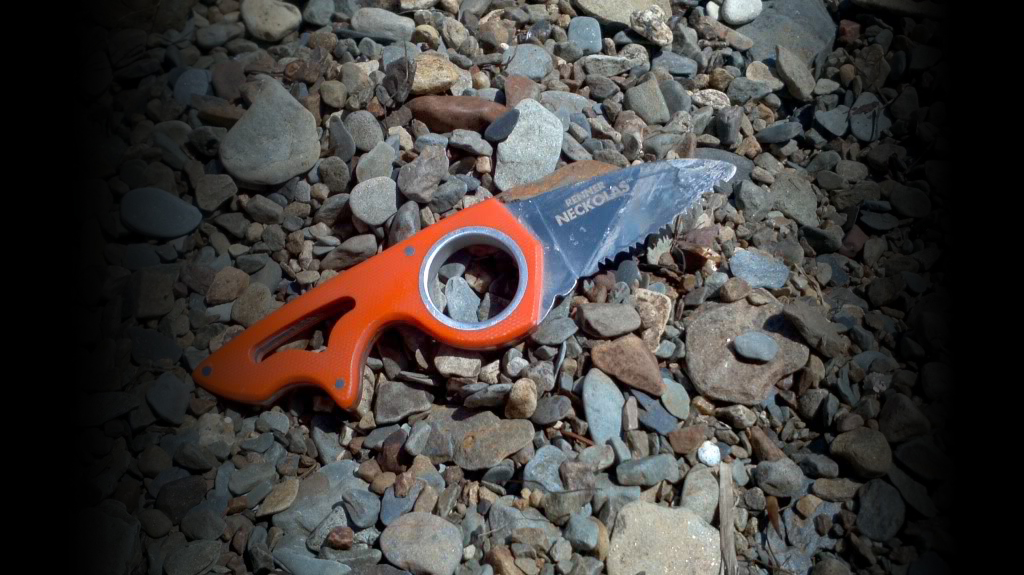
Welcome to Multitool.org
The place for reviews & discussion on Multi Tools, Swiss Army Knives, Outdoor Gear, EDC and more for over TEN years. -
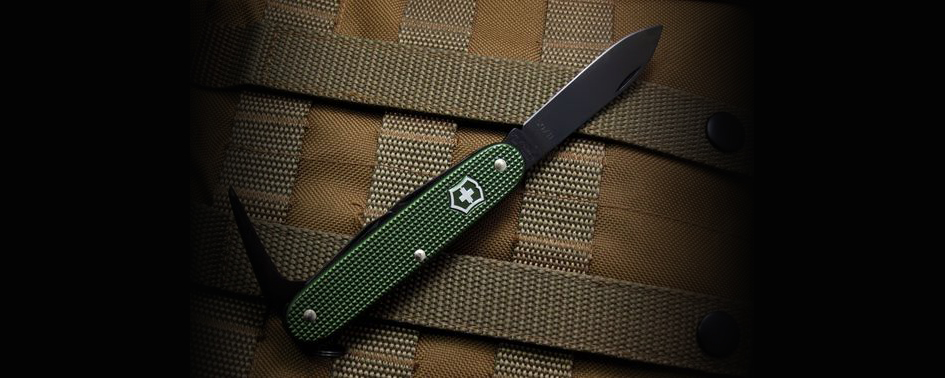
Are you into Swiss Army Knives?
Learn & discuss tools from both Swiss Army manufacturers: Victorinox & Wenger! Read More -
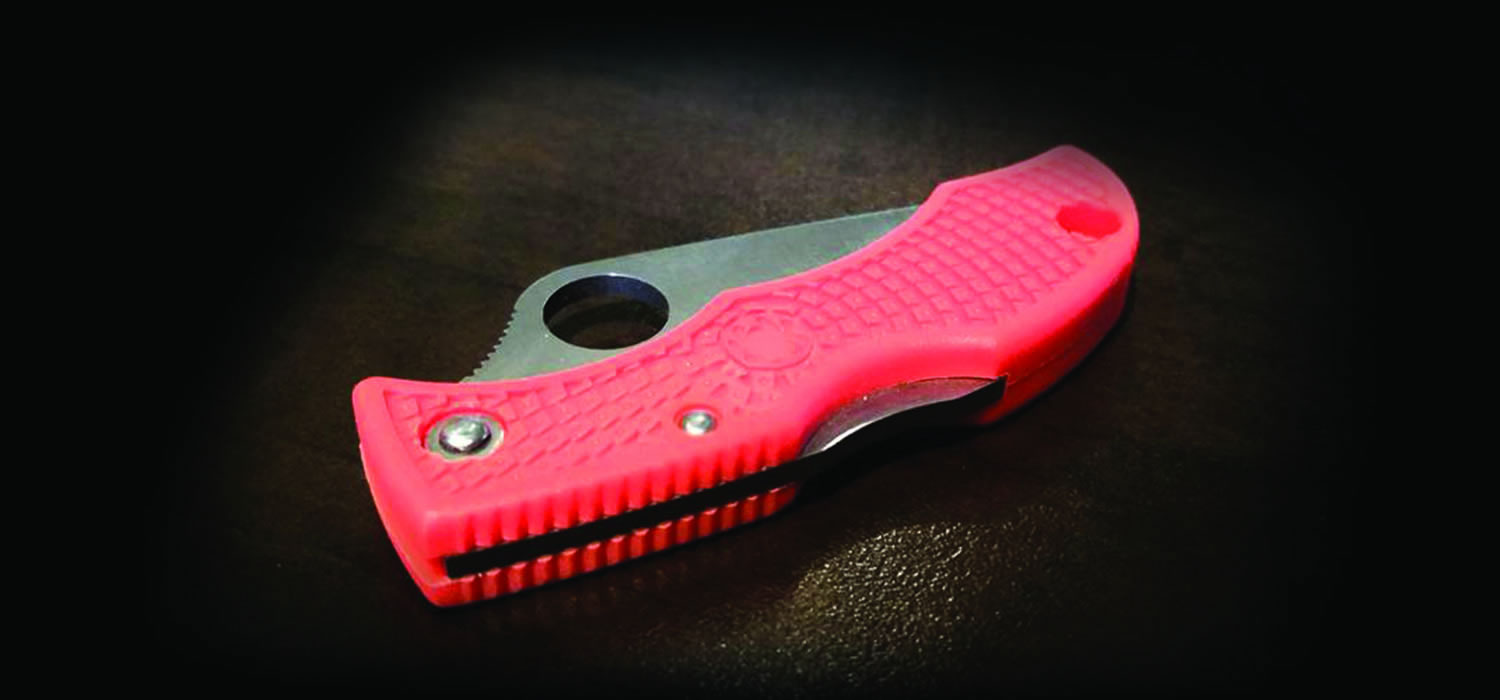
Good things can come in small packages.
What do you EDC? Read More
- 1
- 2
- 3
Revisiting the Kansept Loki makes sense now that Kansept finally addressed the biggest issue people had with it. They didn’t overhaul the design or rethink the whole package. They focused on the problem that held the original back: the opening method. Sometimes that’s all a knife needs to get a second chance. When a design already has a lot going for it, fixing the weak link can be enough to bring it back into rotation and make people pay attention again.
Coming back to the Loki feels less like a quick update and more like spending proper time with a design that invites a closer look. It’s a compact modern folder with a strong personality and, after carrying it again, it became clear that this knife either clicks as a whole or it doesn’t. There’s no middle ground because every detail matters here.

Behind the Pretatout is Jonathan, a designer who spent years working with K-9 units in the French army before turning his attention to knives. Rather than coming from a traditional knife-making background, his designs are rooted in real-world use, where reliability, strength, and ergonomics are not marketing buzzwords but daily requirements. That mindset led to the creation of Kmaxrom Design, with a clear philosophy centered on tools that feel powerful, durable, and comfortable in hand. Fittingly, the name Pretatout translates to “ready for everything,” and as Kmaxrom’s first flipper, it blends modern deployment with classic thumb studs, aiming to be a capable, no-nonsense EDC with a bit of flair.
Kansept has been producing absolute bangers lately, one fantastic release after another. I decided to reach back into the company’s catalog and try one of their older designs to see how it compares. The brand has been doing a lot in terms of tolerances and materials, and I wanted to see how a knife from when the company was still relatively young stacks up against the flood of models coming out today.

I feel like I’ve been in this industry long enough that things are starting to blur together. Every now and then something still makes me pause and go “okay, that’s cool,” but there’s also this growing feeling of déjà vu. Maybe it’s parallel design, maybe it’s trends, maybe it’s just the nature of a crowded market. Designers working miles apart still end up creating pieces that look like cousins. It happens. And honestly, it’s not always a bad thing.


Today’s the day: the LOOPDOT is here. It’s small, it’s clever, and it’s loaded with features. The beam gives you a punchy center spot paired with smooth flood light, and the rotary dial makes switching modes feel natural. The real magic is the RGB pixel display, which responds to movement, taps, and twists while still giving you useful info. It’s one of those lights you find yourself picking up just to mess with, and it still pulls its weight when you actually need it.
Case knives have a long history of producing top-notch traditional cutlery, going back more than 130 years. From time to time, they’ll release something with a special handle material or bring back a pattern from the vault, but at their core, Case has always stayed true to what they do best. In recent years though, the company has taken some bold steps into new territory. The Kinzua and Marilla models introduced aluminum frame locks and modern blade steels, showing that Case could go beyond slip joints and delves into the world of high-end tactical folders. That experience led to the creation of two modern traditionals—the Highbanks and the Longhouse—both of which merged a classic barlow-inspired design with pocket clips and premium materials.

Published in
Knives
Tagged under
After 13 years of building EDC gear, Tacray decided to go back to basics with the MT1. Their goal was simple—make a multitool that people would actually carry every day. The team kept hearing the same things: “My multitool’s too heavy,” “I never use half these functions,” and “Why doesn’t it have a flashlight?”
The result is a compact, 2.89-ounce tool that blends thoughtful design with practical simplicity. Rather than cramming in functions you’ll never touch, the MT1 focuses on what truly matters—light, blade, and core everyday capability.

Ever met a Yipper? Not the knife—I'm talking about that scrappy little dog that sounds like it runs the neighborhood but weighs less than a fast-food combo meal. The kind that barks like it’s got something to prove. That’s the vibe behind the MKM Yipper. It’s a compact everyday carry that barks loud with bold design choices but remains approachable and easy to carry. Designed by Ben Peterson and produced in Maniago by MKM (Maniago Knife Makers), the Yipper blends Italian precision with a no-nonsense attitude.

I’ve gone through my fair share of sharpening gear over the years. Fixed-angle systems, ceramic rods, guided kits, whetstones—you name it. I’ve gotten to the point where I’m confident sharpening just about anything. So when Work Sharp sent over both the MK2 and the Ken Onion Edition for review, I was curious. I’d never used a powered belt system before, and honestly, I was skeptical. But after spending time with both models, I’ve got to hand it to them—these things are impressive.
They’re nothing like the sharpening systems I’ve grown up with, and they aren’t trying to be. Instead of aiming for slow precision, these tools are all about speed, efficiency, and repeatability. If you’re expecting them to feel like stones or guided systems, you’re going to have to rewire your thinking. But once you do, they’ll surprise you in a good way.

Published in
Sharpening Systems
Tagged under
Some knives are made to disappear into the pocket. The Feweed clearly didn’t get that memo. Designed by Vũ Huỳnh Nam Anh as part of Kizer’s design contest, the Feweed makes an immediate impression. Between the bold carbon inlays, harpoon-style blade, and dramatic lines, it’s anything but subtle. But beneath all that flair is a surprisingly well-thought-out EDC folder that’s more than just eye candy.

Some knives are designed to blend in. The Civivi Elementum II, especially this Damascus and golden shred variant, isn’t one of them. While it shares its name and silhouette with the original Elementum, this model feels like the dressier, more charismatic sibling. It's polished, confident, and packing a little extra swagger. But beneath the showy looks, Civivi’s familiar fit and finish and EDC practicality still shine through.

Ergonomics & Handle Materials
The shredded carbon fiber with golden shred is a showstopper. It’s encased in clear resin that gives it a glossy, high end finish, almost like a custom knife you'd expect to find behind glass at a boutique show. Despite its flashy looks, the handle offers a surprisingly comfortable grip.
At 0.51" thick, it fills the hand just enough without feeling bulky, and the smooth finish doesn’t create any hot spots during light use. You won’t get much traction if your hands are wet or gloved, but for EDC and fidget tasks, it feels great.
Inside, you’ll find stainless steel liners that provide structural integrity without adding too much weight. The total weight comes in at 2.86 oz, which makes this a very pocketable piece.
No texture? No problem. This one leans more gentleman than hard use, and I think that’s perfectly fine for what it’s trying to be.

Locking Mechanism & Clip
The button lock is the star of the show here, and Civivi tuned it beautifully. There’s a spring under the button that provides just the right amount of tension. It’s enough to avoid accidental deployment in the pocket but still light enough to make closing the knife with one hand a breeze.
It’s paired with caged ceramic ball bearings that give the knife that signature buttery deployment. Whether you’re flicking it open with the flipper or closing it with a press of the button, the Elementum II feels dialed in. The action is smooth, the lockup is solid, and there’s no blade play in any direction.
As for the pocket clip, it’s a simple stainless steel design, tip up and right hand only. It rides fairly deep and doesn’t draw attention, but I would’ve liked to see some accommodation for left-handed users, especially given how versatile this knife is otherwise. The clip holds tight, though I wouldn’t call it exceptionally strong or robust. It does its job, and that’s about it.

Blade & Performance
The 2.96" Damascus drop point blade offers a nice balance between form and function. Let’s be honest, most people are buying this version of the Elementum for the looks, and Civivi delivers with a blade that’s visually striking. The hollow grind is well executed, and the edge came razor sharp right out of the box.
In use, the blade handles daily tasks with ease. Opening packages, slicing fruit, breaking down cardboard—the 0.12" blade stock tapers to a fine cutting edge that excels at precise, controlled cuts.
Now let’s talk steel. Damascus looks amazing, but it's generally a compromise between performance and visual appeal. Civivi doesn’t specify the exact composition here, but the 58 to 60 HRC rating lines up with mid tier edge retention. You’ll likely find yourself sharpening it more often than a premium stainless, but it takes a fine edge quickly and isn’t difficult to maintain if you’re used to sharpening your own blades.
Bottom line: it’s a slicer, not a beater.

Final Thoughts
The Civivi Elementum II in Damascus and golden shred is a style forward version of a knife that already had a great reputation. It doesn’t pretend to be a heavy duty workhorse, and it doesn’t need to. Instead, it offers classy materials, premium action, and reliable EDC performance in a package that’s a joy to use and even more fun to show off.
Is It Worth It?
If you’re in the market for a button lock knife that feels more high end than its price tag suggests, and you want something that’s as much art piece as tool, this model delivers.
It’s not perfect. Lefties may feel left out, and you’ll want to be mindful of the resin handle in rough conditions. But at around $90, it offers a ton of value, especially considering the fit, finish, and fidget factor.
Interested in this or a different tool and still have more questions?
Why not join us over on the Multitool.org Forum where our community can help you find what you're looking for!
Join the discussion now!
Why not join us over on the Multitool.org Forum where our community can help you find what you're looking for!
Join the discussion now!
What kind of people would write collect and review multitools? Quite simple really- we are designers and do-ers, outdoors types and indoor types, mechanics, doctors, problem solvers and problem makers. As such, we have, as a world spanning community, put every type, size and version of multitool, multifunction knife, pocket knife and all related products to every test we could manage in as many places and environments as there are.